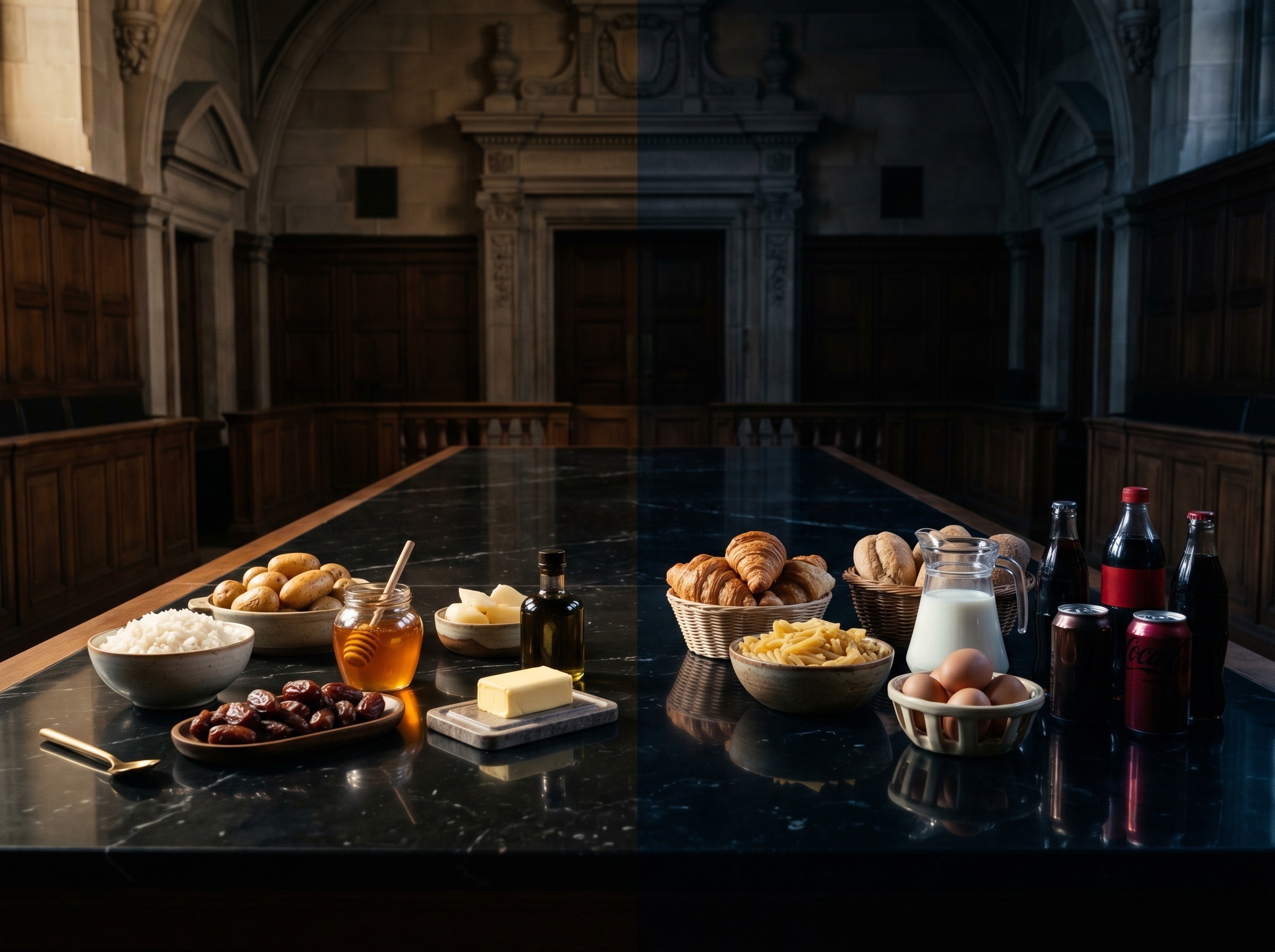
Food is not just nutrition. It is a workload the body has to process.
We read meals by what they do after the plate is gone: digestion, heaviness, energy, sleep, bloating, and the signals the body leaves behind.
Start with the food, then follow the work.
The site reads meals by what they ask the body to do after the meal is already over.

More than a perfect protein
Eggs carry a strong reputation, but the body still has to digest the full biological package.
Read the egg cluster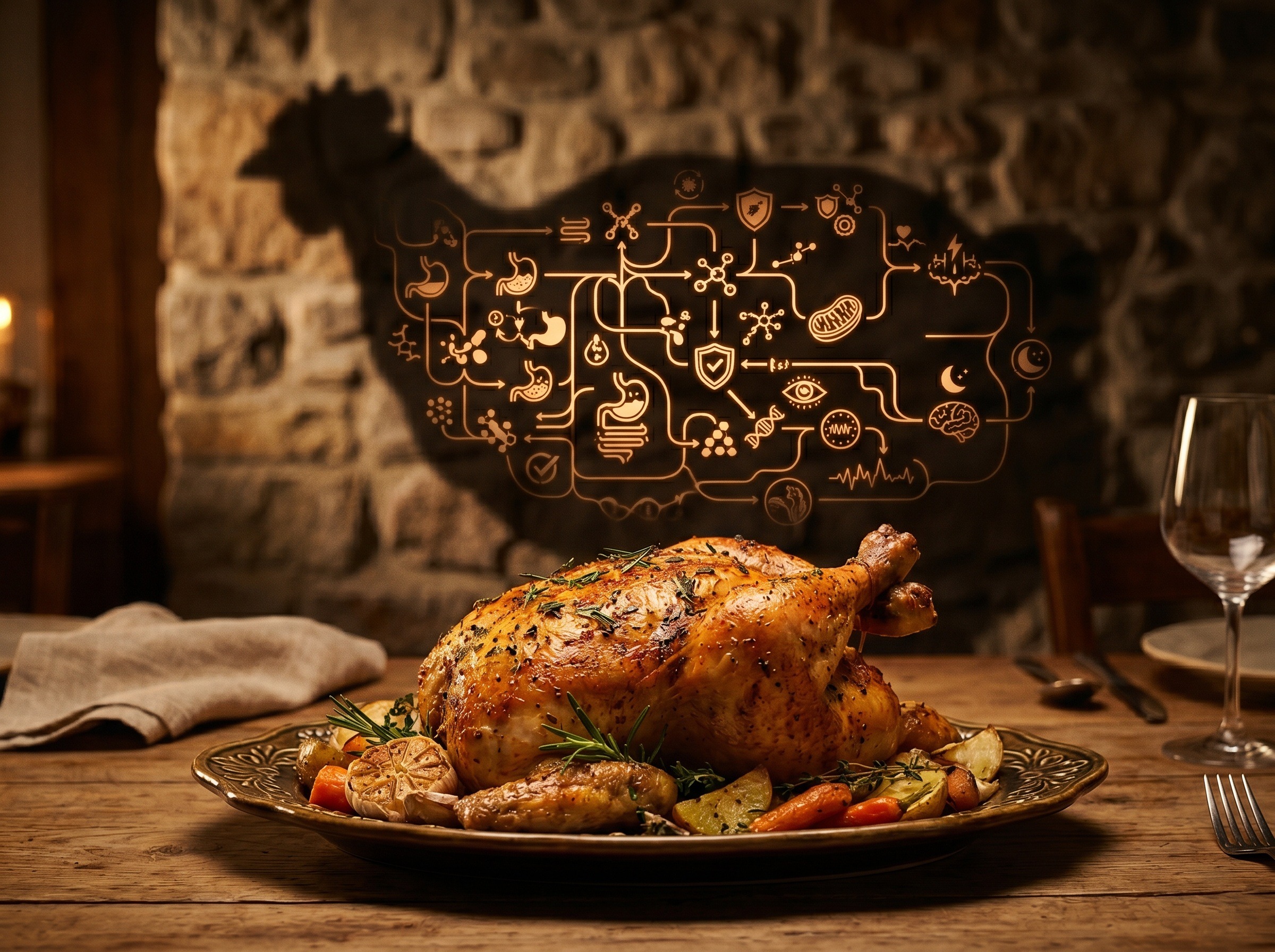
Lean on paper, heavier in real life
Chicken is often framed as the easy answer, but many readers feel a different story after the meal.
Read the chicken article
Texture matters, not just carbs
Refined flour and soft bread can feel simple on the label and demanding once they hit the gut.
See the body signalsSometimes the body is not being dramatic. It is reporting workload.
We do not treat every symptom as a diagnosis. We treat it as information worth observing.

The body does not eat labels. It reads the full input.
That means origin, processing, texture, digestion, immune noise, liver work, insulin response, sleep, and repetition.
Popular entry points for readers who want clear answers fast.
These pages give the Tayibat lens a real shape in the first few minutes.

Do eggs cause bloating?
A common question when a food with a strong reputation still feels heavy after breakfast.
Read article
Are eggs hard to digest?
When something looks light on paper but asks the stomach to do more than expected.
Read article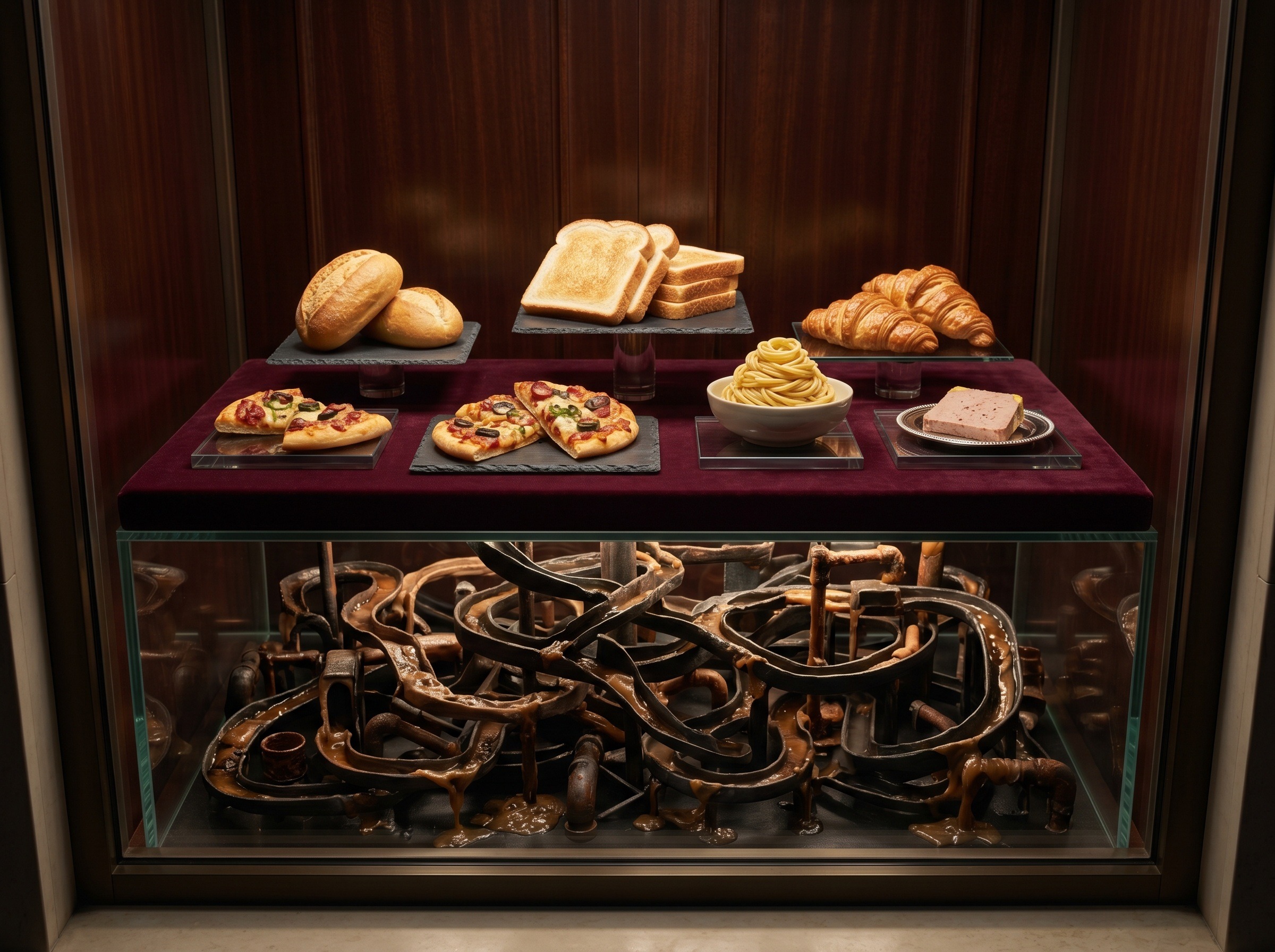
Why do eggs make me tired?
Some meals do not just feed. They leave a trace of heaviness or sleepiness behind.
Read article
Why do I feel tired after eating chicken?
The plate can say lean protein, while the body says something else after the meal ends.
Read articleFood is not just nutrition. It is a workload the body has to process.
We read meals by what they do after the plate is gone: digestion, heaviness, energy, sleep, bloating, and the signals the body leaves behind.
Start with the food, then follow the work.
The site reads meals by what they ask the body to do after the meal is already over.
More than a perfect protein
Eggs carry a strong reputation, but the body still has to digest the full biological package.
Read the egg clusterLean on paper, heavier in real life
Chicken is often framed as the easy answer, but many readers feel a different story after the meal.
Read the chicken articleTexture matters, not just carbs
Refined flour and soft bread can feel simple on the label and demanding once they hit the gut.
See the body signalsSometimes the body is not being dramatic. It is reporting workload.
We do not treat every symptom as a diagnosis. We treat it as information worth observing.
The body does not eat labels. It reads the full input.
That means origin, processing, texture, digestion, immune noise, liver work, insulin response, sleep, and repetition.
Popular entry points for readers who want clear answers fast.
These pages give the Tayibat lens a real shape in the first few minutes.
Do eggs cause bloating?
A common question when a food with a strong reputation still feels heavy after breakfast.
Read articleAre eggs hard to digest?
When something looks light on paper but asks the stomach to do more than expected.
Read articleWhy do eggs make me tired?
Some meals do not just feed. They leave a trace of heaviness or sleepiness behind.
Read articleWhy do I feel tired after eating chicken?
The plate can say lean protein, while the body says something else after the meal ends.
Read article